Pilates foundational Mat Poses repertoire
Pose 1: side kick kneeling
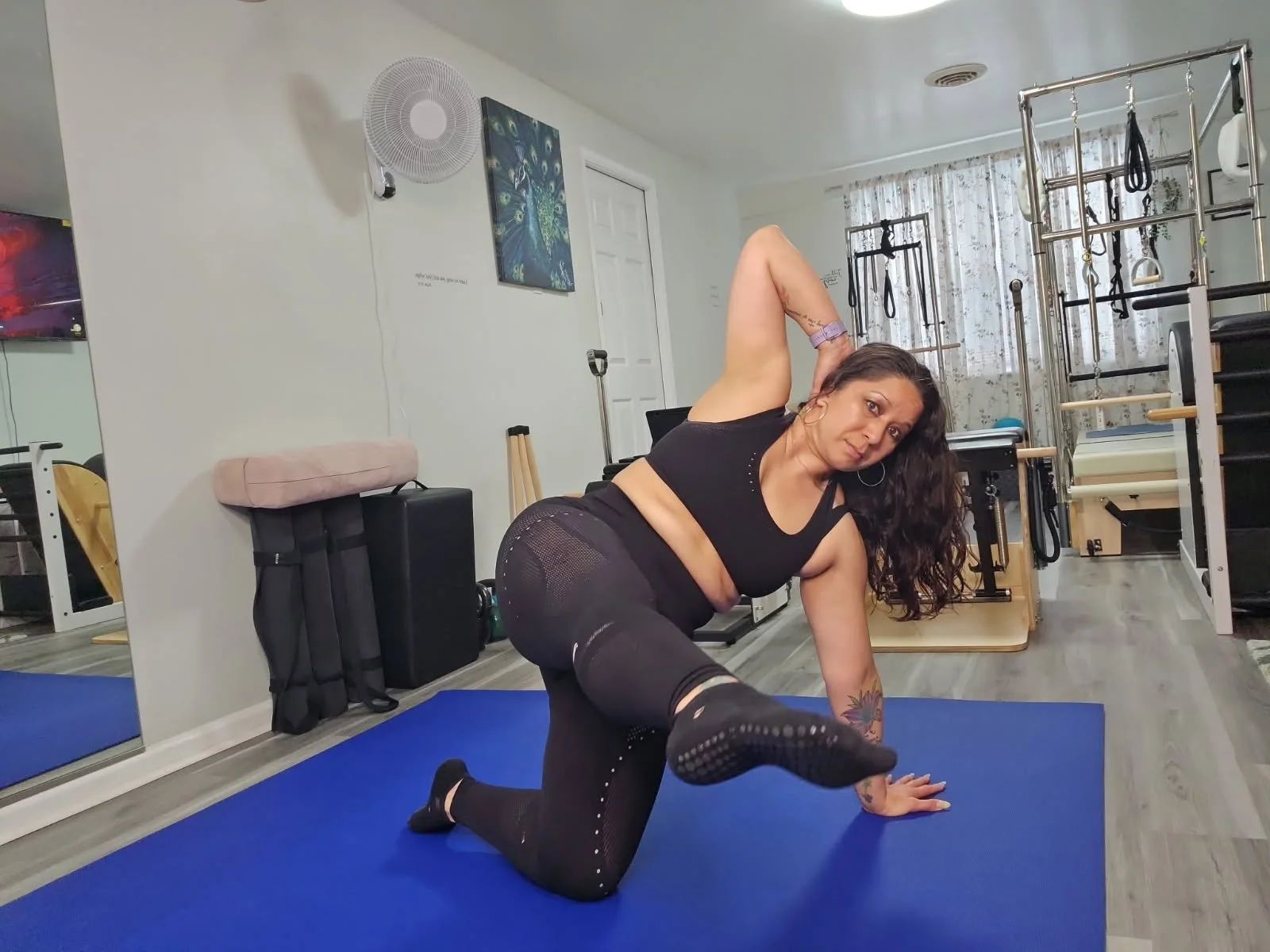
The Pilates side kick kneeling is an effective exercise that strengthens the core, hips, and improves balance while focusing on proper alignment and stability.
Pose 2: double straight leg
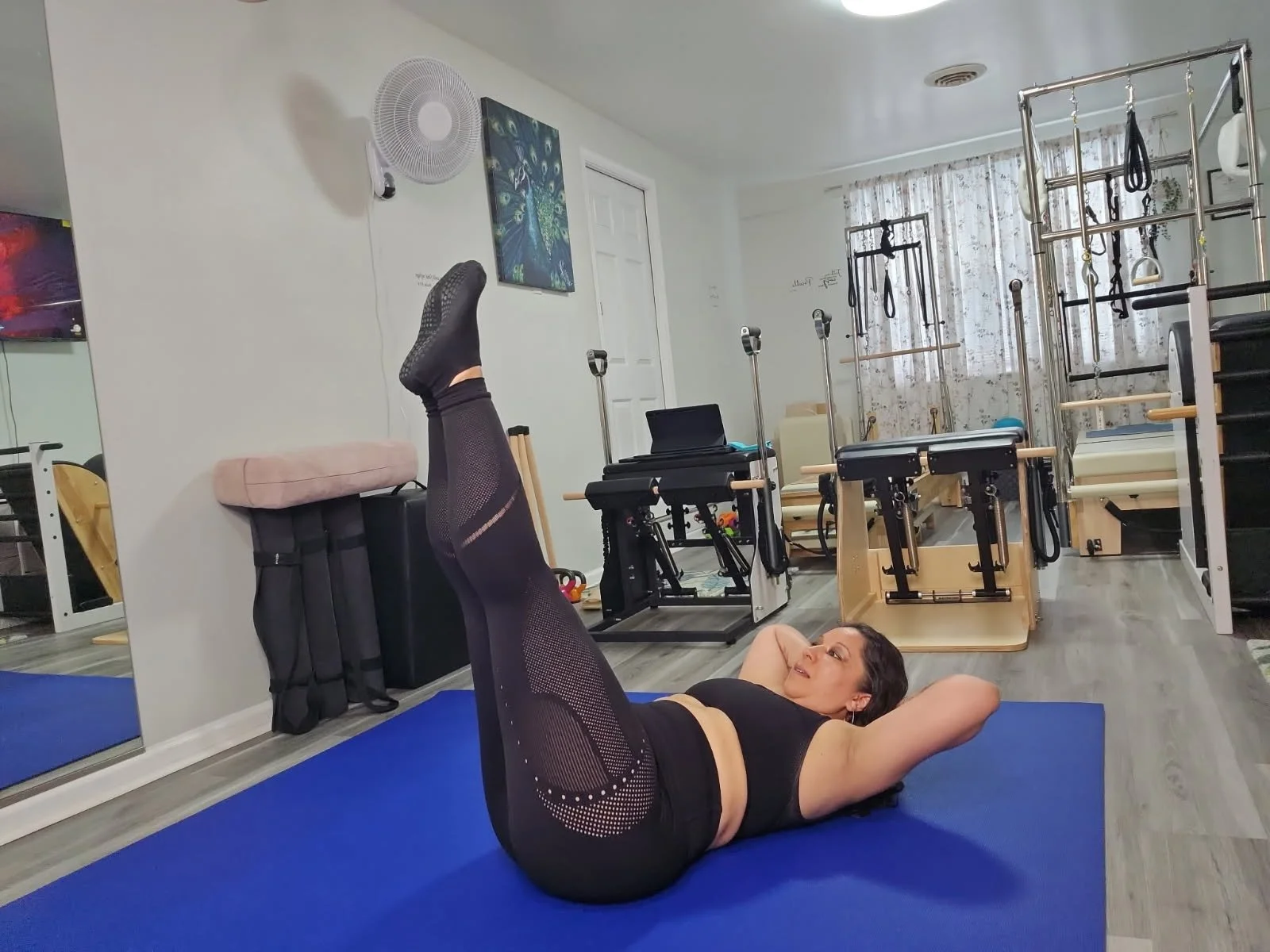
The Double Straight Leg Stretch in Pilates is designed to build stamina in the abdominal muscles while strengthening and stretching the legs. This move builds coordination and stamina, particularly in the core muscles, and mobilizes the shoulders and hips, teaching how to move outward from the center of the body. It can be challenging at first, so practice a modified variation until you have built up enough strength and coordination to move with control and fluidity.
Pose 3: leg pull back
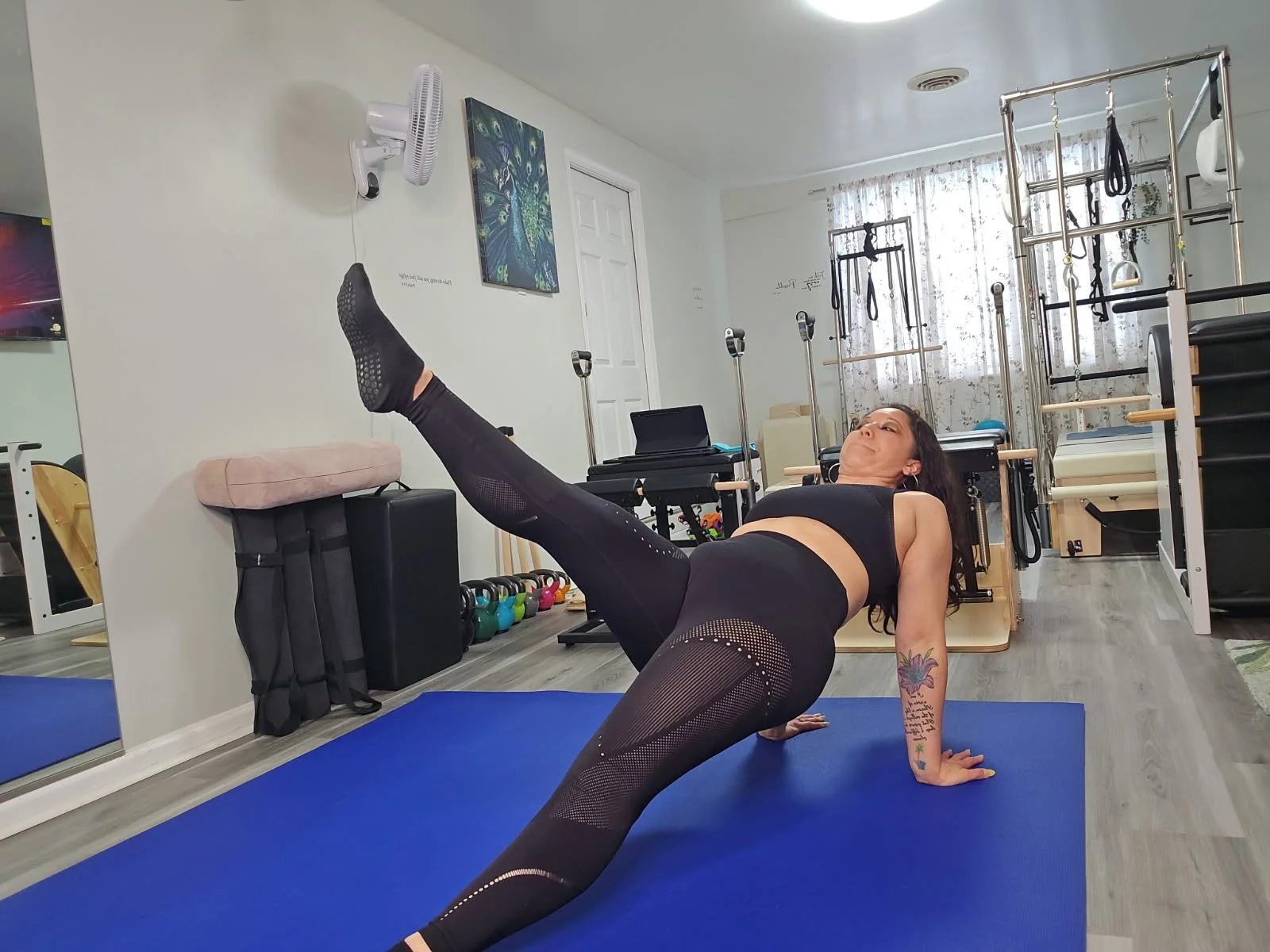
The Pilates Leg Pull Back is an advanced exercise that strengthens the glutes, hamstrings, shoulders, and core while improving hip stability and posture.
Pose 4: leg pull front
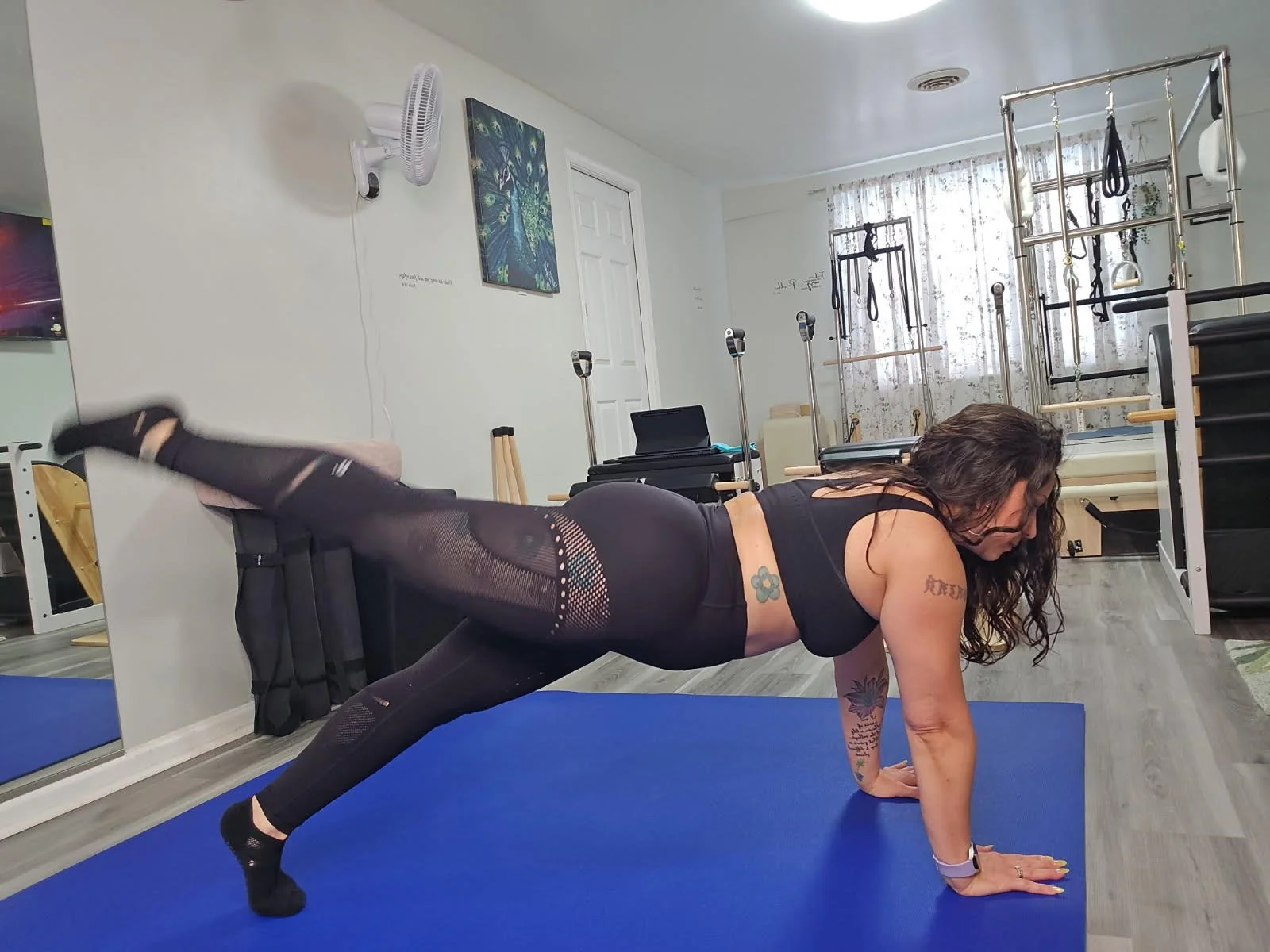
The Leg Pull Front is an intermediate Pilates exercise that strengthens the core, arms, glutes, and stabilizing muscles while improving posture and balance.
Pose 5: Double leg kick
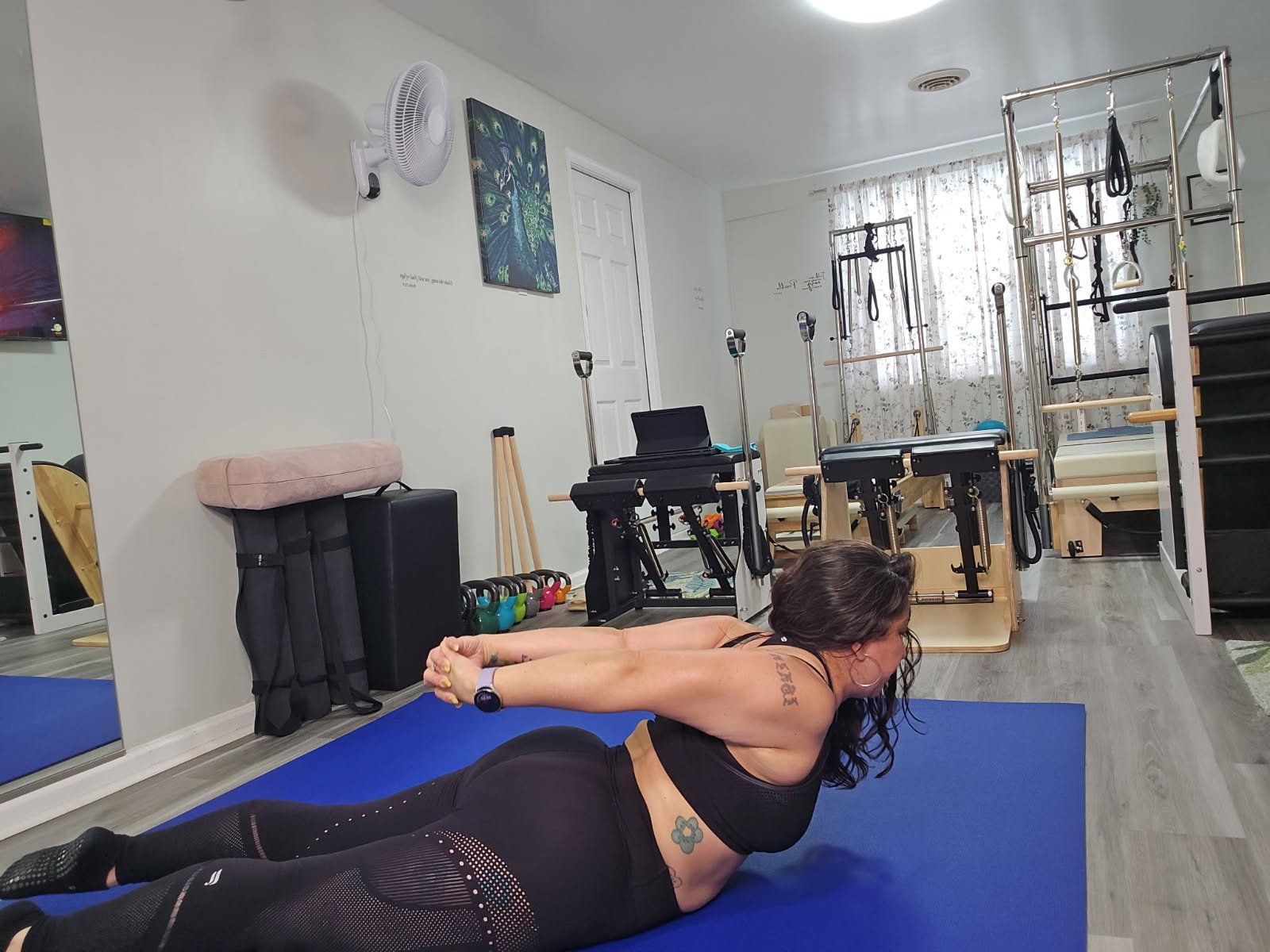
The Double Leg Kick is an intermediate Pilates exercise that strengthens the back, glutes, and shoulders while improving spinal extension and coordination.
Pose 6: Scissors
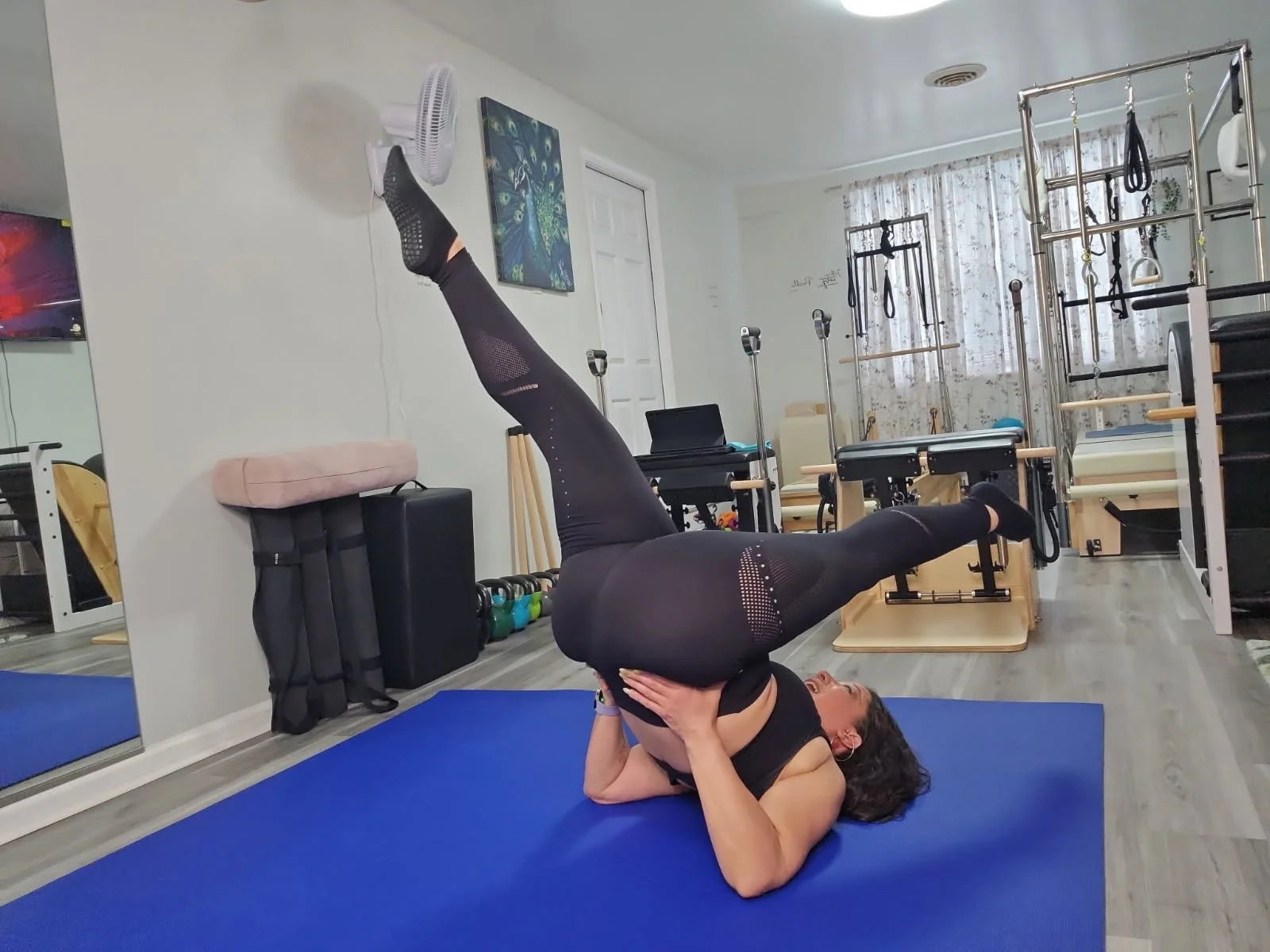
The Pilates "scissors" exercise is a core-strengthening movement that primarily targets the abdominal muscles, core, and legs. It involves a scissoring action of the legs while lying on your back.
Pose 7: Teaser
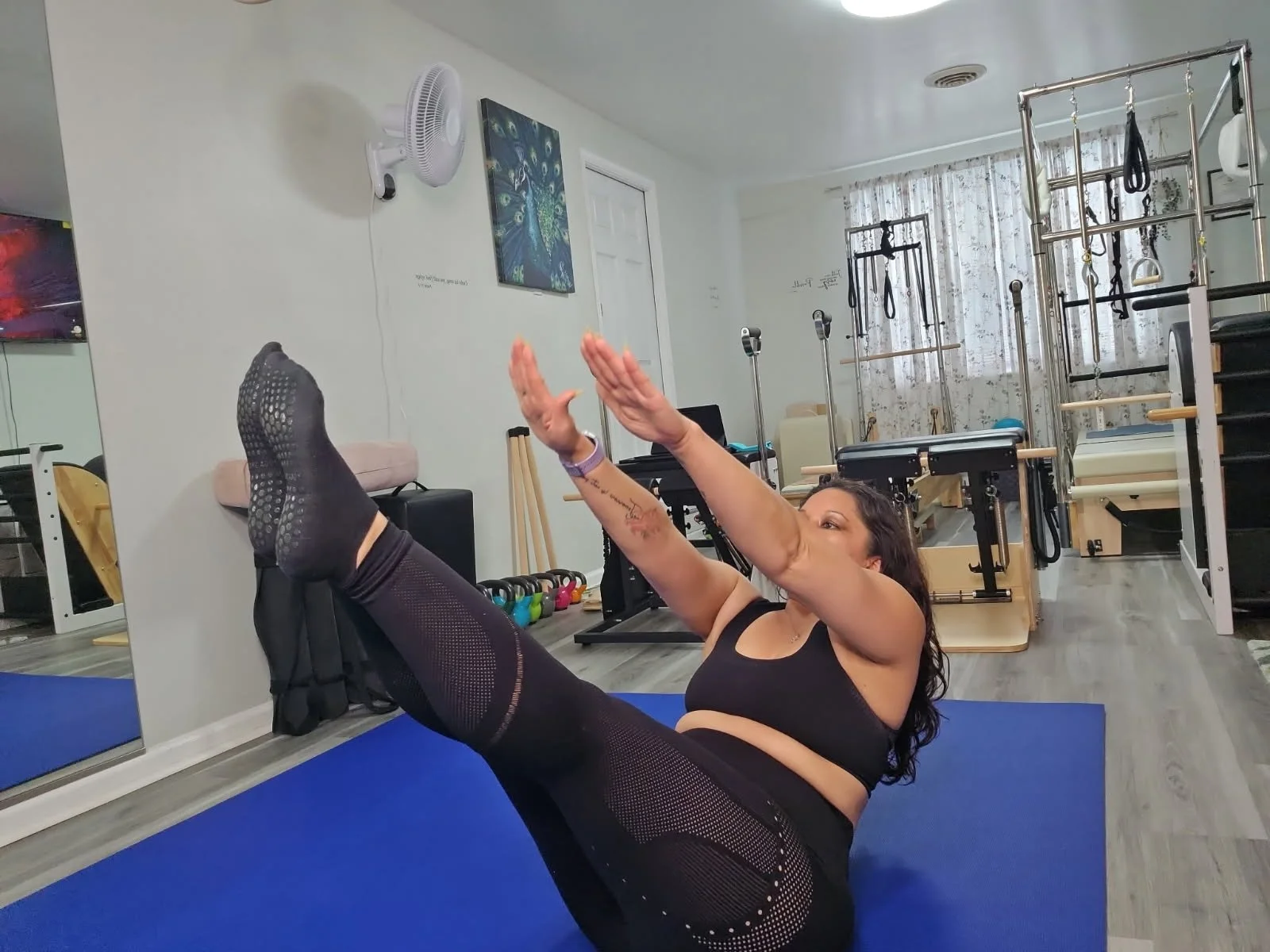
The Pilates Teaser is one of the most iconic mat exercises in Pilates, known for its combination of strength, flexibility, balance, and control. It’s often described as a “teaser” because it challenges the body to hold and move with precision, engaging multiple muscle groups while maintaining spinal articulation
Pose 8: Swimming
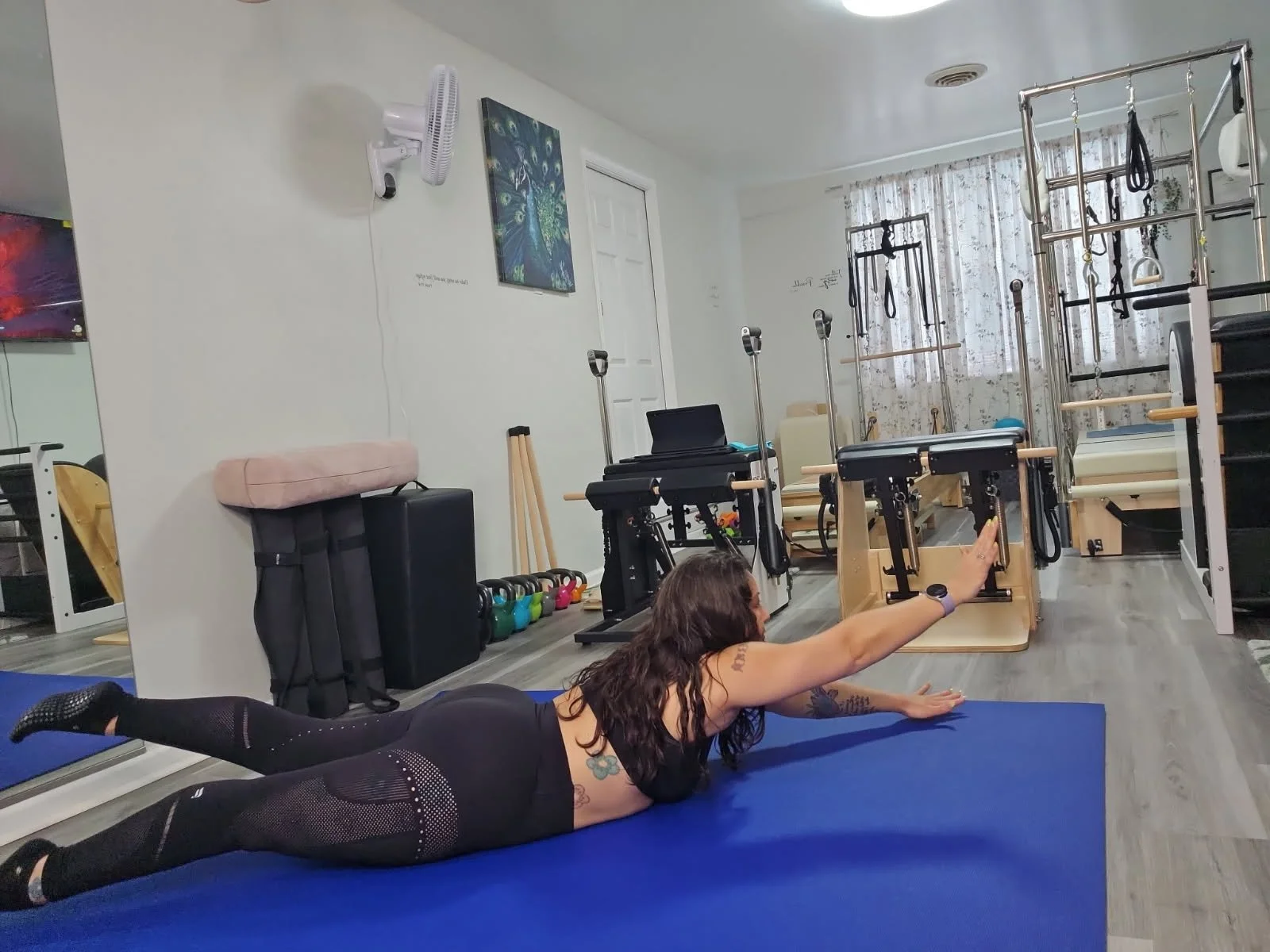
In Pilates, “Swimming” is a classical mat exercise, designed to strengthen the back extensors, glutes, and middle back while improving posture and functional movement patterns
Pose 9: Side bend
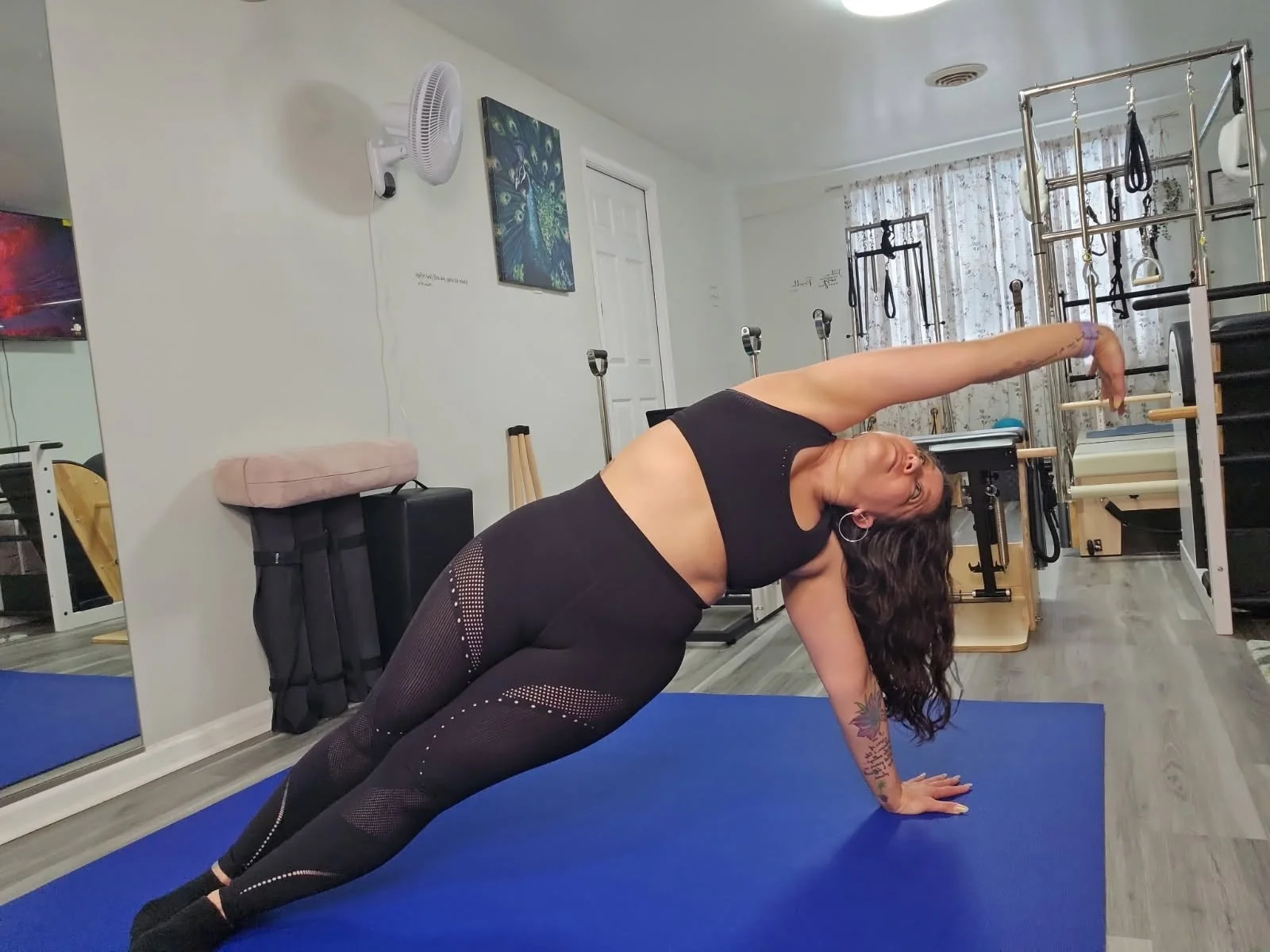
This strengthens the entire lower side of the body while opening and stretching the upper side. In addition, the exercise promotes trunk stability. The reason for this is the balancing on the hand and feet.